
Do you dread combing or brushing your hair? It’s certainly something that worries a lot of people: hair loss, particularly due to a thyroid disorder.
Our hair is often a reflection of our wellbeing and our vitality, and when the quality of our hair starts to decline, it can be a sign of a deeper imbalance in the body. The causes can be many (a lot of stress, a lack of iron, …) and are often down to several factors at once. It matters to work out the cause or causes, so you can act on them rather than just putting “a product in the hair”.
Among the many possible causes of hair loss, thyroid disorders are high on the list. The thyroid, that little butterfly-shaped gland at the base of the neck, plays a crucial role in regulating our metabolism. A problem with this gland can lead to a whole host of symptoms, including hair loss, which is one of the most visible.
Here we’ll look at the link between thyroid disorders and hair loss, and talk about naturopathic approaches to support the thyroid and prevent hair loss. This is no substitute for medical follow-up.

The relationship between the thyroid and hair loss
Thyroid hormones affect how well the hair, skin and nails work.
Thyroid disorders can show up in two main ways: hypothyroidism and hyperthyroidism (33% and 50% of people with these respective conditions have hair loss).
Studies have highlighted the link between the thyroid and hair loss. For example, a study published in the “Journal of Clinical Endocrinology and Metabolism” found that people with hypothyroidism often have significant hair loss. Likewise, research in the “International Journal of Trichology” showed that the hormonal imbalances caused by hyperthyroidism can speed up hair loss.
How thyroid disorders affect hair health
- In hypothyroidism
When the thyroid is underactive, it produces too little thyroid hormone. This can slow the metabolism, which translates into slower hair growth and more fragile hair. The growth phase is shorter, while the shedding phase lasts longer. The hair can become dry, brittle and fall out more easily. You also see (in untreated hypothyroidism) a thinning of the eyebrows, particularly the outer part (even a loss of the outer third of the eyebrow).
- In hyperthyroidism
Conversely, an overactive thyroid produces too much thyroid hormone, which speeds up the metabolism. Although that might seem beneficial, a metabolism that’s too fast can lead to excessive hair loss because of the shortened resting phase of the hair follicles. The hair can become fine, fragile and fall out in handfuls.
Hair loss due to a thyroid condition can become more obvious several months after the disorder begins, because of the length of the hair growth cycle.
Diet to support the thyroid and prevent hair loss
If the cause of the hair loss is the thyroid, you need to understand why there’s a thyroid problem. Are there nutritional deficiencies? Too much stress? One or more infections? Is it an autoimmune disease? Is T4 being properly converted into T3? Are there too many endocrine disruptors?
In any case, diet plays an essential role in supporting the thyroid and preventing hair loss. Some nutrients play a key role in the thyroid working well. Between hypo- and hyperthyroidism there will be similarities, but also differences.
- Protein: hair is mainly made of keratin, a protein.
- Fresh vegetables, raw and cooked: rich in vitamins and minerals.
- Antioxidants: fruit and vegetables rich in antioxidants (like berries, spinach and carrots) can protect the hair follicles against free-radical damage, and are needed by the thyroid.
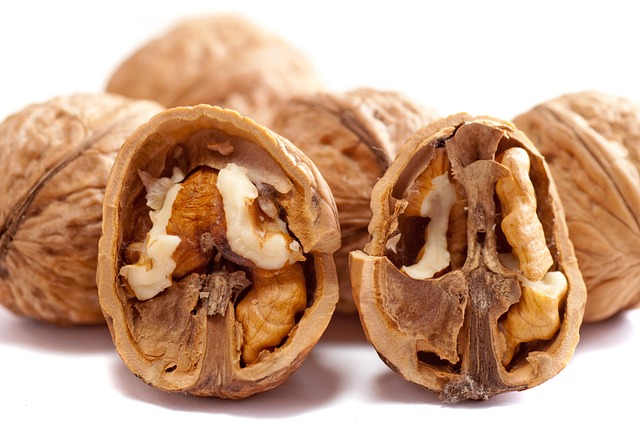
- A good source of fat: the omega-3 fatty acids in oily fish, linseeds and walnuts support the vitality of the scalp, and are needed by the thyroid.
In hypothyroidism
- Fish and seafood are to be favoured, as they’re rich in iodine, needed to produce thyroid hormones.
- Seaweed: a good source of iodine, to eat in moderation as it can be loaded with heavy metals. (Be careful not to eat too much iodine with Hashimoto’s.)
- Brazil nuts: they contain selenium, an antioxidant that protects the thyroid.
- A note on cruciferous vegetables (like broccoli and cabbage): eat them gently steamed to reduce the goitrogenic effects, or raw in moderation.
In hyperthyroidism
- Cruciferous vegetables: these vegetables (like broccoli, cabbage and cauliflower) can help reduce thyroid hormone production.
- Antioxidant-rich foods: they help protect the cells against damage. Include berries, spinach and carrots.
- Lean protein: helps maintain muscle mass, often affected by hyperthyroidism.
- There are more tips in my blog article The natural tips (not treatments) for hyperthyroidism.
Naturopathic recommendations for Hashimoto’s and Graves’ disease
Hashimoto’s and Graves’ disease are autoimmune thyroid disorders that need specific approaches to support thyroid health and prevent hair loss. An anti-inflammatory diet will be absolutely necessary, with certain foods to cut out, and working on intestinal permeability (through diet, plants and supplements) will help bring down the antibody level.
I’d also encourage you to read the article The foods to avoid with thyroid disorders.
Micronutrition
It’s hard to generalise, it all depends on the individual, but broadly we’ll keep an eye on the vitamins and minerals needed for good thyroid function and for the hair: zinc, iron, vitamin D, selenium, B vitamins, to name just a few.
Zinc is found in oysters, pumpkin seeds, egg yolk…
Iron is found in black pudding, red meat, lentils and nettle (eat it with lemon or lentils for better absorption).
B vitamins are found in green vegetables, brewer’s yeast (if you don’t have candidiasis), pulses and animal protein.
So… you’ll need to bring this into your diet… and check that digestion and absorption are going well. In particular, with hypothyroidism there can be a lack of stomach acid, which means zinc and iron are less well absorbed: all areas we’ll work on in naturopathy.

Other important aspects of hair loss linked to a thyroid disorder
Stress and anxiety encourage thyroid disorders, and vice versa. It’s the same with hair loss: seeing your hair fall out in handfuls is distressing, which doesn’t help the thyroid either.
So beyond diet, plants and supplements, changes to your lifestyle can have a significant impact on thyroid and hair function: various stress-management techniques, including breathing techniques, and looking after your sleep.
Being physically active is also beneficial (within what’s possible given how tired you are, your heart rate and so on).
Some plants and supplements can help regulate thyroid function and prevent hair loss. The choice of plants and supplements must be matched to the type of thyroid disorder. For that, do see your naturopath.
Note that patience is needed, because a thyroid disorder isn’t sorted out in a few weeks, and the same goes for the hair (especially to see visible regrowth!).
FAQ
Can a thyroid problem cause hair loss?
Yes. Around 33% of people with hyperthyroidism and 50% of people with hypothyroidism experience hair loss. An underactive thyroid slows hair growth and makes hair dry and brittle (with thinning of the outer eyebrows too), while an overactive thyroid can bring hair out in handfuls. It’s no substitute for seeing your doctor.
How can you support the thyroid and your hair naturally?
Through a diet rich in protein (hair is made of keratin), fresh vegetables, antioxidants and omega-3s, plus the key micronutrients: zinc, iron, vitamin D, selenium and B vitamins. Managing stress, sleeping well and gentle exercise all help too. The specifics differ between hypo- and hyperthyroidism.
Which nutrients matter most for the thyroid and hair?
Zinc (oysters, pumpkin seeds, egg yolk), iron (red meat, lentils, nettle, with lemon for absorption), vitamin D, selenium (Brazil nuts) and B vitamins. With hypothyroidism, low stomach acid can reduce zinc and iron absorption, so digestion is worth looking at too.
How long does it take for hair to grow back?
Patience is needed. A thyroid disorder isn’t sorted in a few weeks, and nor is the hair, as the growth cycle is slow. Hair loss can even become more obvious several months after the disorder starts, and visible regrowth takes time once the cause is addressed.

I’m Céline Jablonski, a certified naturopath in Paris and online, a member of the Syndicat des Professionnels de la Naturopathie and a trainer at a naturopathy school. I help people find their physical and emotional balance again through naturopathic approaches (nutrition, physical activity, stress management, the use of plants and so on).
Through this blog I share, in a down-to-earth way, the knowledge and experience I find useful, so you can feel better.
This advice is no substitute for seeing your own healthcare professional, and shouldn’t stop you doing so.