
When we try to lose weight, the two things that often come to mind first are diet and physical activity. But there’s another essential element: sleep. Sleep is far more than just a pause and a regeneration for our body. Sleep plays a fundamental role in weight loss. We knew that a lack of sleep encouraged weight gain (it’s even a risk factor for obesity, including in children), but conversely, sleep can help you lose weight. Of course, this fits within a series of other measures for losing weight.
Researchers established a link between the quality and quantity of sleep and weight management long ago. In this article, we’ll look at how the two are connected, and you’ll also get practical tips from naturopathy to optimise these two essential aspects of your wellbeing.
The impact of sleep on metabolism, and so on weight loss
A night of insufficient or poor-quality sleep can disrupt the normal working of the metabolism. Research has shown that a lack of sleep can reduce insulin sensitivity, that hormone which lets glucose (from sugars) into the cell. This can lead to poor blood-sugar regulation and encourage fat storage.
A study published in the Journal of the American Medical Association in 2022 showed that obese people who were short on sleep burned fewer calories than other obese people who had extended their sleep time (to a “normal” length). And that was without changing eating habits.
Also, another study from 2012 showed that obese people on a diet lost more weight (fat especially) when their sleep quota was met. This can be explained by there being more growth hormone, secreted more abundantly at night than during the day, when we sleep more. Now, this hormone has a lipolytic action, in other words you burn more fat when you sleep more (I’m not saying you should take this hormone to lose weight!). It’s not about sleeping excessively either 😉, but respecting your need for sleep.
What’s more, a lack of sleep increases the production of ghrelin, while reducing the production of leptin. Ghrelin is a hormone that stimulates appetite, while leptin is a hormone that signals fullness. These differences in leptin and ghrelin are likely to increase appetite… You then feel more like eating, and it quickly leads to over-eating… of foods that usually aren’t the healthiest.
Finally, weight loss will be helped by good sleep, because it allows better elimination of toxins through our emunctories (our emunctories work harder at night). The emunctories are the body’s “filters”, the organs of elimination (the liver, the intestines, the kidneys…). In naturopathy, we consider the emunctories as fundamental to how the body works.
Having looked at the link between sleep and weight loss, let’s see how better stress management can help.
Stress-management methods for better sleep, and so for weight loss
Clearly, the link between stress and sleep no longer needs proving. Stress can disrupt sleep by increasing the production of cortisol, a stress hormone. As we’ve seen, since good sleep is necessary for weight loss, practising stress-management techniques will improve sleep quality, but will also help with any wish to lose weight. You can also refer to the article Naturopathy and stress for more detail.
The effects of sleep on food choices
Insufficient sleep leads to fatigue, and to eating more food, often (very) sugary, as quick sources of energy, and fatty. This is due to the disruption of the hunger and fullness hormones mentioned above, but also to compensation. Many studies have shown it, and you’ve probably experienced it yourself? The urge for a nice chocolate-type bar to make up for being tired :/
A protein-rich breakfast will help you overcome sugar cravings, and will give you a boost in the morning thanks to the production of neurotransmitters like dopamine (the morning starter), among others, from that protein. Think about protein at lunch too, for the same reasons.
If you know you’re prone to these rushes towards unhealthy foods because of your tiredness, and you’re about to give in, here’s what I suggest (well aware that in the moment, it’s not that easy):
- drink a glass of water,
- breathe consciously: ideally practise 5 minutes of coherent breathing, which we mostly use for stress management, but I get good feedback from clients who use it when tired too: it perks you up!
- if you still need a boost: you can tap your back at the adrenal glands (roughly at the last two ribs), and also apply a drop of black spruce essential oil there (don’t hesitate to keep a bottle on hand, diluted to 10% in a vegetable oil). This oil is photosensitising, so no sun exposure, and wash your hands well afterwards.
If you still feel the need to eat (without really being hungry), here’s what to prepare in advance, to have on hand:
- fresh cut vegetables (cucumber, carrot…) dipped in a nut or seed purée;
- nuts and seeds + possibly 1 dried fruit (apricot, fig…)
- a sugar-free compote (+ cinnamon for sweetness if you like)
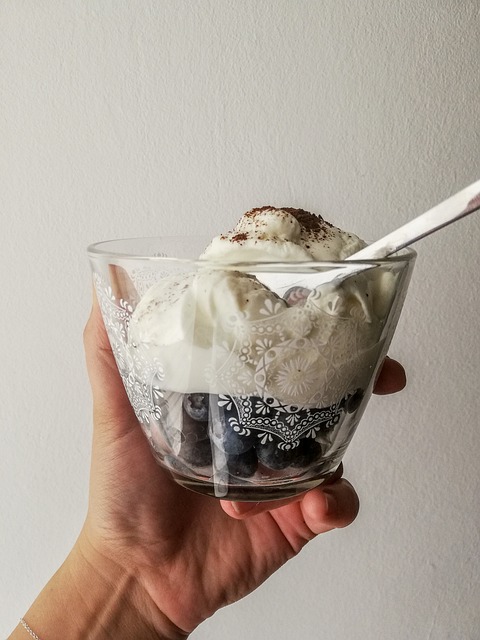
- a plant-based yoghurt + 1 tsp of cinnamon or cardamom
- even a square of dark chocolate > 70% (as long as this kind of snacking doesn’t multiply through the day).
Strategies to improve sleep
Naturopathy offers various strategies to improve your sleep quality. This can include adopting a sleep routine, creating an environment that’s good for sleep, and avoiding stimulants such as caffeine, intense or stressful exercise, and screens before bed.
The evening meal should ideally be light (but with low glycaemic-index carbohydrates), in the sense that eating too much food of different kinds (mixing), too fatty, with red meat, will tend to delay the time you fall asleep and not encourage good sleep.
Some medicinal plants, like chamomile and valerian, are also known for encouraging sleep.
Falling asleep before 11pm helps increase the synthesis of lean mass (as opposed to the body’s fat mass). Respecting the number of hours of sleep is also important: (depending on the individual) between 7 and 10 hours for an adult.
Not forgetting the role of physical activity, which can help improve sleep by encouraging relaxation and hormonal regulation. However, it’s important to plan your exercise sessions wisely, avoiding intense sessions too close to bedtime, as they could have a stimulating effect. Regular physical activity can also speed up the metabolism and help with weight loss when combined with a balanced diet.
I’d encourage you to read the tips I wrote in the article on sleep apnoea.
A testimonial
Here’s the testimonial of a client who came about fatigue. We worked together on her hypothyroidism issue, which was in fact the cause (well, one of the causes) of her great tiredness, and which meant she couldn’t lose weight either.
In any case, do feel free to get in touch, for example in a discovery call, if you’d like to talk about sleep and weight loss.
Other sources
Meta-analysis of short sleep duration and obesity in children and adults – 2008
https://pubmed.ncbi.nlm.nih.gov/18517032/
Sleeping habits predict the magnitude of fat loss in adults exposed to moderate caloric restriction – 2012
https://pubmed.ncbi.nlm.nih.gov/15602591/
FAQ
Can sleep really help with weight loss?
Yes. Poor or short sleep lowers insulin sensitivity and shifts the hunger hormones (more ghrelin, less leptin), which increases appetite and encourages fat storage. Studies show people who meet their sleep quota lose more fat, partly thanks to growth hormone, which is more active at night and helps burn fat. It works alongside diet and exercise.
How much sleep do you need?
For an adult, generally between 7 and 10 hours, depending on the individual. Falling asleep before 11pm also helps build lean mass rather than fat. It’s about respecting your own need for sleep, not oversleeping.
Why do you crave sugar when you're tired?
Tiredness disrupts the hunger and fullness hormones and prompts you to reach for quick energy, often sugary, fatty foods, partly as compensation. A protein-rich breakfast helps head off the cravings, and so do water, a few minutes of coherent breathing, and keeping healthy snacks on hand.
What helps you sleep better for weight loss?
A sleep routine, a restful environment, and avoiding caffeine, intense exercise and screens before bed. A light evening meal with low-GI carbohydrates, calming plants like chamomile or valerian, managing stress, and regular (but not late) exercise all help too.

I’m Céline Jablonski, a certified naturopath in Paris and online, a member of the Syndicat des Professionnels de la Naturopathie and a trainer at a naturopathy school. I help people find their physical and emotional balance again through naturopathic approaches (nutrition, physical activity, stress management, the use of plants and so on).
Through this blog I share, in a down-to-earth way, the knowledge and experience I find useful, so you can feel better.
This advice is no substitute for seeing your own healthcare professional, and shouldn’t stop you doing so.