
Have you noticed little white spots on your nails: a lack of calcium, zinc, you wonder? When I was a child, I was told it was a calcium deficiency, …but I’ve already heard in consultation “a lack of magnesium or iron”. In naturopathy, we consider it a possible sign of a zinc deficiency. I weigh my words. “A sign” (not “the sign”), “possible”. So, is it necessarily a sign of imbalance?
Today, we’re going to talk about these famous spots (their real name is leukonychia), what they can say (or not), and take the chance to talk about zinc and its importance. I’ll also say a word about the limits of self-observation and the importance of looking at the body as a whole, as we do in naturopathy.
White spots on the nails, what can they be?
It’s common to have white spots on the nails, I see it often in naturopathy… and on my loved ones :). In most cases, they’re harmless.
They often appear following microtraumas of the nail matrix (the little ridge at the base, under the skin), sometimes without us realising. The result: as it grows, the nail has a keratinisation defect in that spot, which shows up as a white mark. Classic.
But because they’re visible, these spots catch our attention. And that’s where the received ideas are born…
The idea that these spots are due to a lack of calcium is very widespread.
According to the review cited at the bottom of the page, this is false: “The pattern and number of spots can change as the nail grows. This is not linked to a decrease in the level of calcium or iron in the nail plate, contrary to popular belief”.
Zinc

On the other hand, in naturopathy, we more often think of zinc. This link isn’t completely unfounded, because zinc plays an important role for the nails (and the skin, hair and nails in general). But careful: just because you have a white spot doesn’t mean you necessarily lack zinc. It would be reductive to draw such hasty conclusions. Some studies put forward the hypothesis, or even show it (for example, doi:10.1001/jama.1974.03230270017005, DOI: 10.1016/j.ad.2014.11.007)
Zinc plays an important role in the growth and keratinisation of the nail. So if someone has a deficit — even a mild one — it can affect the appearance of their nails.
But:
- It’s not systematic. Not all white spots mean a deficiency.
- If the spots are frequent, numerous, recurring or accompanied by other signs (tiredness, dry skin, hair loss, slow healing…), then yes, it’s worth checking zinc status (or even magnesium, iron or B vitamins).
- When people take zinc and the spots disappear, it isn’t 100% proof, but it gives a good clue: they probably had an increased need or a slight undetected deficiency.
Generally speaking, during the vitality assessment in naturopathy (“the anamnesis”), the naturopath looks for at least 3 matching clues.
Zinc: a small mineral with big effects
Zinc is an essential trace element, present in very small quantity in the body but involved in hundreds of biochemical reactions:
- Protein synthesis
- Immunity
- Healing
- The skin, hair and… nails
- Hormonal function, among others: thyroid and the menstrual cycle in particular
So it’s an important player in our vitality. A deficiency can show up in different ways, even more so if it’s combined with other shortfalls (such as a lack of protein).
- chronic tiredness,
- slow healing,
- hair loss,
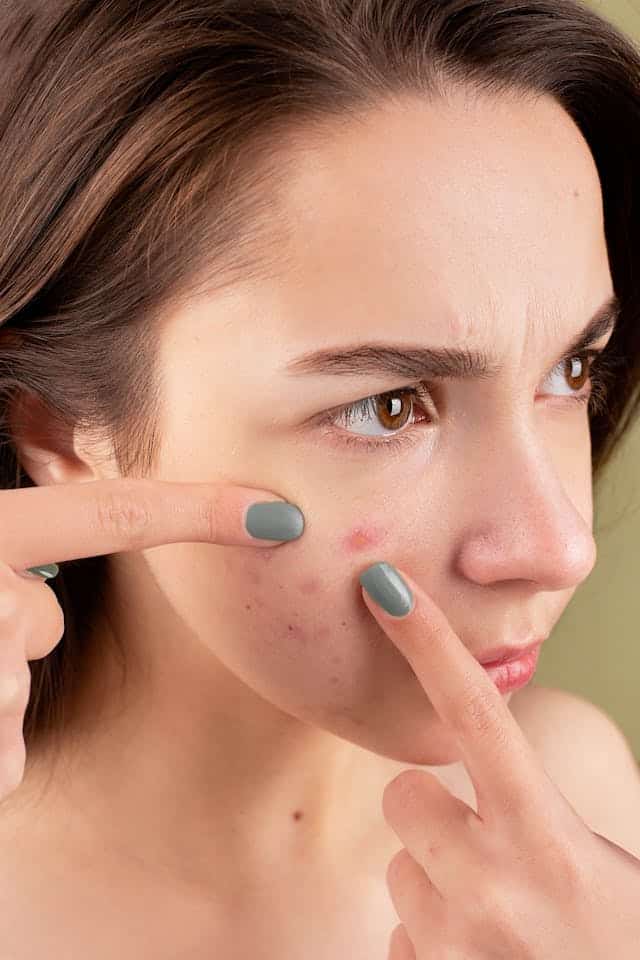
- certain skin problems
- loss of taste or smell,
- weak immunity, more frequent allergies,
- brittle or ridged nails, and sometimes… white spots,
- thyroid or fertility problems…. (of course there are other factors too).
But once again, these spots aren’t enough to say there’s a zinc deficiency. A blood test allows that.
A quick focus on the zinc and thyroid link
Zinc is important for:
- the production of the thyroid hormones T4 and T3, and for the conversion of T4 into T3, the active hormone.
- The gut (see the link between Hashimoto’s / Graves’ and the gut), in particular to take part in repairing intestinal hyperpermeability (study PMID: 21994075)
Why can you be short of zinc?
Several possible reasons:
- Insufficient intake: if the diet is low in natural sources of zinc (meat, oysters, eggs, pumpkin seeds…).
- Poor absorption: in cases of digestive problems, intestinal permeability or dysbiosis, zinc is poorly absorbed.
- An excess of phytates (found in certain poorly prepared grains or pulses), which block its absorption. Careful, the same goes for coffee or tea drunk with a meal containing a good source of zinc (like iron!)
- Chronic stress: which increases our needs.
- Finally, certain medications (PPIs, for example…) (I’m not saying you shouldn’t take them!!), tobacco or alcohol.
In short: even if you eat “balanced”, a deficiency is still possible, especially if other factors disrupt absorption.
If I have white spots on my nails, and there’s a lack of zinc, what should I do?
To conclude, if you have white spots on your nails, and there’s a lack of zinc, here are some avenues to explore:
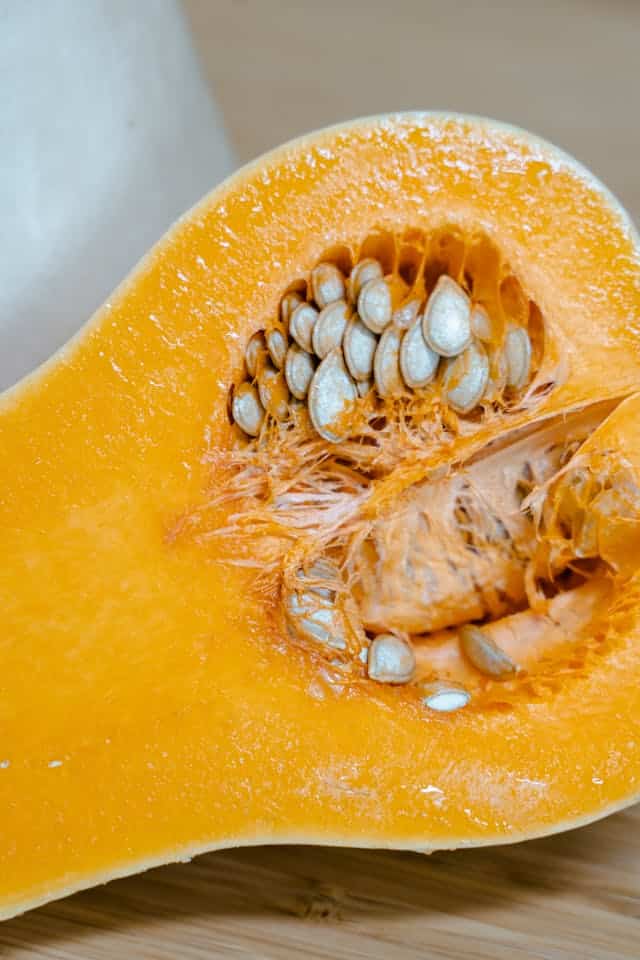
- Add more zinc-rich foods: oysters, red meat, eggs, pumpkin seeds, lentils (soaked!), nuts, raw cocoa… be careful with anti-nutrients and don’t take iron or copper at the same time.
- Work on gut health to encourage absorption.
- Reduce sources of stress (easy to say, I know).
- Of course there are supplements (picolinate is a good form). Careful though, too much zinc can harm the absorption of other minerals, such as copper (for an adult, don’t exceed 25mg a day long term). In particular, there was a lot of talk about zinc during Covid, and some people may have taken too much. Not in cases of kidney disease, or acute bacterial infection. It’s possible that taking zinc on an empty stomach (which is better for its absorption) causes nausea => in that case, take it during a meal.
Source (not cited in the article):
Leukonychia: what can white nails tell us? (PMID: 33112320)
FAQ
Why do I have white spots on my nails?
White spots on the nails, called leukonychia, are usually harmless. They most often appear following small traumas of the nail matrix, sometimes unnoticed. They can also occasionally be associated with certain illnesses or nutritional deficiencies.
Are white spots on the nails due to a lack of zinc or calcium?
Contrary to a received idea, white spots generally aren’t linked to a calcium deficiency. A zinc deficit can sometimes change the appearance of the nails, but the presence of white spots is absolutely not enough to be sure. If they’re numerous or accompanied by other symptoms, a nutritional assessment can be considered.
How do you know if you're short of zinc, and what to do naturally?
A zinc deficiency can notably show up as poor healing, hair loss, certain skin problems or taste disorders. A blood test, interpreted in context, can help identify a deficit (to look at with your doctor!). In naturopathy, we favour first the zinc-rich foods, such as oysters, meat, eggs and pumpkin seeds, while making sure of good digestive absorption. Supplementation can be considered if necessary, with a well-absorbed form of zinc and avoiding the excess that can cause, in particular, a copper deficiency.

I’m Céline Jablonski, a certified naturopath in Paris and online, a member of the Syndicat des Professionnels de la Naturopathie, and a trainer at a naturopathy school. I help people regain physical and emotional balance through naturopathic techniques (nutrition, physical activity, stress management, the use of plants…).
Through this blog, I share, in an accessible way, knowledge and experiences I find useful, to help you feel better.
This advice is not a substitute for, and should not stop you from, consulting your healthcare professional.