
Today, I’d like to talk to you about a subject that’s rarely discussed (I find) but important nonetheless: histamine intolerance, often due to a shortage of the enzyme we’ll talk about further down (15% of these people have this deficiency).
Everyone has their own level of histamine intolerance. Histamine intolerance is often confused (because of its non-specific signs) with other conditions, and can have a significant impact on quality of life. In this article, we’ll look at what histamine intolerance is, its signs (very varied!), and how a natural approach can help ease the unwanted reactions.
Note that histamine intolerance is linked to digestive problems and the conditions listed below, but also to fibromyalgia, migraines and ADHD.
The key points:
- Histamine is useful for digestion, immunity and the nervous system, but an excess can cause many symptoms.
- A deficiency or overload in DAO prevents histamine being broken down properly, leading to a build-up.
- The signs are varied: digestive problems, migraines, itching, redness, fatigue or palpitations.
- The diet should be low in histamine-rich foods and other relevant items, for the time it takes to “repair” what needs repairing.
- The naturopathic approach works on the terrain: gut, liver, stress and targeted support with plants or supplements.
Histamine: a key player in our body
Histamine is a molecule belonging to the biogenic amines group. It plays a crucial role in various bodily processes (not only in allergic reactions). It’s a chemical messenger produced naturally by certain cells, in particular the mast cells, and released in response to various stimuli.
Here are its roles:
- It’s involved in regulating the immune response, nerve transmission, regulating gastric acid secretion, and vasodilation. So it’s essential.
- When the body detects potential threats, like allergens or irritants, the mast cells release histamine in response to these stimuli. This triggers physiological responses that aim to protect the body against these perceived threats.
- Histamine is a key part of the inflammatory response. It encourages vasodilation, which lets more immune cells reach the affected area. This can cause symptoms such as redness (rubor), swelling (tumor) and heat (calor), the classic signs of an inflammatory reaction.
- Histamine and allergic reactions: histamine is often associated with allergy symptoms like sneezing, itching and a runny nose / rhinitis. This is due to histamine’s effect on the tissues and on specific receptors.
Histamine is both endogenous (produced by the body) and exogenous (coming from food). Note that an excess of dietary histamine leads to an increase in endogenous production!
The causes of histamine intolerance
The causes of histamine intolerance are varied, depending on the individual.
According to the article “Histamine intolerance and dietary management: a complete review“, some people are more sensitive than others: those with respiratory and coronary diseases, blood-pressure problems or a vitamin B12 deficiency, people with gastrointestinal problems (irritable bowel syndrome, Crohn’s disease, etc.), and those taking certain types of medication (such as those that reduce MAO activity: some antidepressants).
- Genetic factors: some people have a genetic predisposition to altered histamine production or breakdown. A diamine oxidase (DAO) deficiency can be responsible (see below). A deficiency therefore leads to an excessive release of histamine. This deficiency can be caused by genetic factors, alterations to the gut lining (and vice versa) or underlying medical conditions.
- DAO (diamine oxidase) deficiency: DAO is the main enzyme involved in breaking down histamine in the body. A DAO deficiency can lead to a build-up of histamine, increasing the risk of intolerance-related symptoms. A good-quality gut barrier plays a crucial role in limiting the histamine absorbed.
- Problems with histamine metabolism: metabolic disorders, such as mastocytosis, can be involved. In these cases, the mast cells release large amounts of histamine, causing symptoms linked to an increased intolerance to this substance.
- Detoxification problems: problems with liver detoxification can also contribute to histamine intolerance. If the liver can’t break down and eliminate histamine effectively, it can lead to a build-up in the body.
- Irritable bowel syndrome (IBS): research suggests a link between IBS and histamine intolerance. The gut imbalances associated with IBS can disrupt the normal breakdown of histamine, contributing to a build-up.
- Stress increases histamine production.
- Diet: eating too much (relative to your own tolerance) of foods containing histamine or encouraging its release is harmful, but so is an excess of starchy foods, which increase the flora responsible for making histamine endogenously.
Signs of histamine intolerance
Histamine intolerance can show up as a varied range of symptoms, often subtle and sometimes hard to diagnose. Recognising these signs is crucial for making a link between food choices, the environment and overall wellbeing, allowing proactive management of this particular sensitivity.
- Digestive signs: pain, bloating, diarrhoea, constipation…
- Skin signs: itching and hives, skin flushing (a sudden reddening of the skin).
- Respiratory signs: a sensitivity to histamine can cause symptoms similar to seasonal allergies: nasal congestion, sneezing… Histamine intolerance can also lead to respiratory problems, such as asthma.
- Neurological signs: histamine can affect the blood vessels in the brain, contributing to headaches and migraines (almost 90% of people prone to migraines have a DAO deficiency, according to one study). Certain foods are particular triggers.
- General signs: histamine reactions can be exhausting for the body, contributing to a general feeling of fatigue. In particular, people with fibromyalgia often lack DAO, and it’s been shown that supplementing with DAO can help them.
The variety of symptoms linked to histamine intolerance, and their non-specific nature, shows how complex this sensitivity is. Let’s now look at which foods to avoid and which to favour to minimise the histamine load and ease these symptoms.
Diet to manage histamine intolerance
Some foods are known to be high in histamine or to release more of it, while others can help ease the symptoms:
Foods to avoid:
- Fermented foods: fermented foods, such as wine, beer, vinegar, and fermented foods like sauerkraut and kimchi, can be high in histamine, as can yeast-based products and charcuterie.
- Mature dairy products: aged cheeses and other fermented dairy products can also be problematic.
- Foods high in histamine such as tomatoes, aubergines, spinach, gherkins, certain fish including mackerel, anchovies and tuna (even more so when the fish is smoked), and chocolate.
- Histamine-releasing foods like citrus fruits, strawberries and nuts.

Foods to favour:
- Fresh meat and fish: fresh meat and fish are generally well tolerated by those with histamine intolerance.
- Fresh fruit and vegetables: go for fresh fruit and vegetables rather than more “ripe” versions, picked a long time ago or fermented.
- Gluten-free grains: gluten-free grains, like buckwheat and quinoa, may be better for some people.
- Certain vegetable oils, especially those rich in omega-3s (perilla, walnut, linseed): fats are thought to increase DAO in the intestinal lymph.
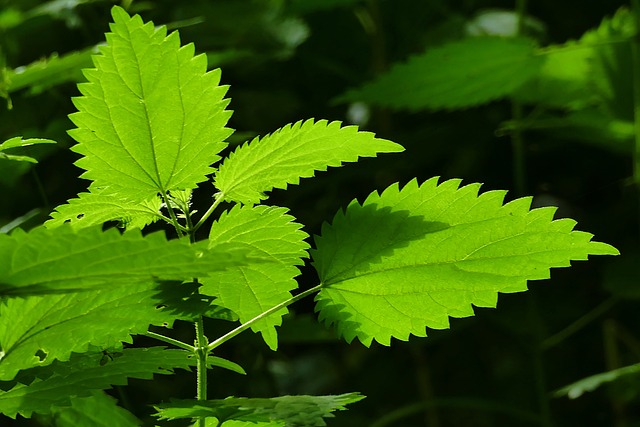
- Foods rich in antihistamines and/or vitamin C, like certain red berries (blackcurrant, bilberry) (no citrus!), green tea, broccoli, nettle as a tea or powder, and parsley.
- A note on cooking: the results of one study show that some grilled foods have a higher histamine content than raw or boiled ones. This is the case for seafood (less histamine raw or boiled than grilled) and meat (less when boiled versus grilled). And fried vegetables had higher histamine levels than raw ones. As for eggs, there was little difference in histamine depending on the cooking method.
- Leftovers can increase the histamine content, so try to eat food soon after preparing it.
- Keeping a food diary can help work out which foods someone is sensitive to.
Supplements and plants to manage histamine intolerance
First and foremost, you’ll need to work on the terrain, especially the digestive system, and the diet.
But some supplements can also help. Here are a few suggestions (not an exhaustive list):
- Enzyme supplements: some labs offer DAO supplements that can be taken before meals to help break down the histamine you eat.
- Vitamin C (ascorbic acid) plays a crucial role in overall wellbeing and helps moderate histamine release.
- Quercetin: it’s a flavonoid, and has antihistamine properties.
- Other vitamins and minerals are important for DAO, like magnesium, which helps limit mast-cell degranulation, vitamin D, which stabilises the mast cells, and vitamins B6 and B12.
- Plants to manage histamine intolerance: blackcurrant buds, nettle.
Other things that help
Other naturopathy techniques can also provide support here:
- The importance of stress management: as we’ve seen, stress has an impact on histamine levels, so stress-management techniques are welcome.
- Hydration: “water takes away more than it brings”, as we say in naturopathy. Water is essential for supporting the elimination of toxins, including histamine.
- Physical activity: regular physical activity encourages blood flow and metabolism, helping with balanced histamine management.
- Keeping a food diary can help identify specific triggers.
Conclusion
Histamine is essential to the body working well… at a “normal” dose.
As an article in Science Direct puts it, “histamine intolerance results from an imbalance between eating histamine-rich foods and the body’s insufficient ability to eliminate it…”. But in excess, or with a deficiency of the DAO enzyme, or because of a gut barrier in poor condition (or taking substances that reduce DAO), it can be behind inflammatory and allergic phenomena. Seeing an allergist will let you know whether you have an allergy or a histamine intolerance.
Alongside that, favour home-cooked meals following the dietary tips given above, practise a stress-management technique, look after your gut, and see whether certain plants and/or supplements can help. For the latter (plants and supplements), do check the precautions for use and contraindications, or get support from a naturopath. And of course, do also check with your doctor about interactions with your medication. For example, quercetin can reduce the absorption of iodine (needed for thyroid function).
FAQ
What is histamine intolerance?
It’s an imbalance between the histamine you take in (from food and your own body) and your ability to break it down, often because of a shortage of the enzyme DAO (around 15% of affected people have this deficiency). Histamine then builds up and can cause a wide range of symptoms. An allergist can tell whether it’s an allergy or an intolerance.
What are the symptoms of histamine intolerance?
They’re varied and non-specific: digestive issues (pain, bloating, diarrhoea, constipation), skin signs (itching, hives, flushing), respiratory signs (congestion, sneezing, even asthma), neurological signs (headaches, migraines), and general fatigue. It’s often confused with other conditions.
Which foods are high in histamine?
Fermented foods (wine, beer, vinegar, sauerkraut, kimchi, charcuterie), aged cheeses, and foods like tomatoes, aubergines, spinach, gherkins, certain fish (mackerel, anchovies, tuna, especially smoked) and chocolate. Citrus, strawberries and nuts can also release histamine. Fresh meat and fish, fresh produce and gluten-free grains are usually better tolerated.
How can you manage histamine intolerance naturally?
Work on the terrain first: the gut, the liver, the diet and stress, since stress raises histamine. A low-histamine diet, home-cooked and eaten fresh, helps, along with hydration and gentle exercise. Supplements like DAO, vitamin C, quercetin, magnesium and vitamin D, or plants like nettle and blackcurrant buds, can support things, ideally with a naturopath and checking interactions with your doctor.
SOURCES, other than those already in this article:
Exogenous Supplementation with DAO Enzyme in Women with Fibromyalgia: A Double-Blind Placebo-Controlled Clinical Trial (2023)
https://doi.org/10.3390/jcm12206449
Nutrients regulate diamine oxidase release from intestinal mucosa (1998)
https://journals.physiology.org/doi/full/10.1152/ajpregu.1998.275.4.R969
Effect of Different Cooking Methods on Histamine Levels in Selected Foods (2017)
https://anndermatol.org/DOIx.php?id=10.5021/ad.2017.29.6.706
Quercetin and Its Anti-Allergic Immune Response (2016)
https://pubmed.ncbi.nlm.nih.gov/27187333/
Effect of stress on brain histamine (1978)
https://pubmed.ncbi.nlm.nih.gov/569863/
Vitamin C blood test (HAS, May 2018)
https://www.has-sante.fr/upload/docs/application/pdf/2018-04/argumentaire_vitamine_c_vd.pdf
The flavonoid quercetin inhibits thyroid-restricted genes expression and thyroid function (2014)
https://www.sciencedirect.com/science/article/abs/pii/S0278691514000301
Histamine intolerance, or histamine-mediated pseudo-allergy to food
https://www.sciencedirect.com/science/article/abs/pii/S1877032016300963

I’m Céline Jablonski, a certified naturopath in Paris and online, a member of the Syndicat des Professionnels de la Naturopathie and a trainer at a naturopathy school. I help people find their physical and emotional balance again through naturopathic approaches (nutrition, physical activity, stress management, the use of plants and so on).
Through this blog I share, in a down-to-earth way, the knowledge and experience I find useful, so you can feel better.
This advice is no substitute for seeing your own healthcare professional, and shouldn’t stop you doing so.