
From simple repeated sneezing (annoying!) to severe skin rashes, by way of breathing difficulties, allergy symptoms can vary in intensity but are always a source of discomfort.
An allergy is an excessive reaction of the immune system to usually harmless substances, called allergens, leading to the release of histamine. Histamine is responsible for allergy symptoms like sneezing, itching and congestion.
Did you know that acting now, in prevention of seasonal allergies, is key?
In this article I’ll explain why it’s so important, and how to do it. Once we’ve covered prevention, I’ll set out a few natural suggestions for seasonal allergies.
This article is no substitute for medical treatment, but some solutions can help reduce seasonal allergy problems and improve the terrain.
Thinking about preventing allergies before relieving them
The naturopathic approach to allergies isn’t only “anti-symptomatic”. Naturopathy aims above all at prevention, upstream, then offers tips to relieve allergies. Prevention is about acting on the underlying imbalances.
The causes of allergies are many. They’re increased by stress, passive smoking, pollution, dust, infections, and so on.
One stands out in particular, which the naturopath can support you with. It’s about encouraging a “good” gut barrier and a balanced gut flora, and correcting any possible gut dysbiosis. Indeed, nearly 80% of our immune defences sit in our gut. By protecting or restoring the gut flora and lining, and reducing inflammation, we help regulate the immune system’s response and so ease the impact of allergies.
The gut barrier, made up of epithelial cells and tight junctions between those cells, acts as a protective barrier that regulates the passage of substances between the gut and the rest of the body. A leaky gut can let unwanted substances through, including allergens, into the blood, which can trigger allergic reactions.
Beyond the gut, and depending on the naturopathic vitality assessment, the naturopath may recommend a revitalisation phase, and/or pay particular attention to your liver doing its detoxification job well. These two things are also very important when it comes to allergies.
The naturopath will also ask about any possible hypothyroidism.
Diet and allergies
Diet plays a crucial role in managing allergies, as some foods can either make the symptoms worse or help ease them. The diet should be anti-inflammatory in aim, helping to ease allergic reactions. Depending on the type of allergy, a naturopath can recommend a specific diet.
1. Foods to favour:
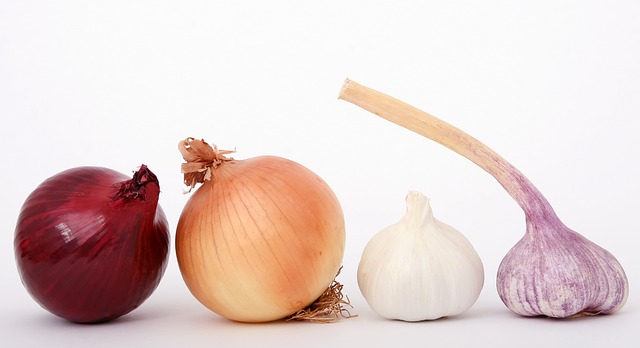
- Fresh fruit and vegetables: rich in vitamins, minerals and antioxidants, fresh fruit and vegetables help strengthen the immune system and reduce inflammation.
Foods rich in quercetin, such as garlic, onion, yellow peppers, broccoli and even capers, have natural anti-inflammatory properties.
- Omega-3 fatty acids: found in oily fish like salmon, sardines and in linseeds, omega-3s have anti-inflammatory properties that can help reduce allergic reactions.
- Probiotic foods: fermented foods like sauerkraut and miso contain probiotics that are good for gut health, which can strengthen the immune system and reduce allergy symptoms.
2. Foods to avoid or limit:
Foods that encourage inflammation, and/or that increase gut permeability, are to be avoided: gluten and dairy among others. The results may not be felt straight away, because it takes time to repair the famous “leaky gut”… so patience. And by starting now, it’ll surely help for the coming spring.
4 plants if the allergy symptoms are here
By using the beneficial properties of certain plants, you can ease allergic reactions.
- Plantain
Plantain, often seen as a weed, actually offers remarkable benefits against allergies. Its leaves have natural anti-inflammatory and antihistamine properties. So plantain eases allergy symptoms like itching, sneezing and nasal congestion. Plantain can be drunk as a herbal tea or applied locally as a poultice for quick, natural allergy relief. If you get “stung by a nettle” by the side of a path, there may be plantain nearby. You take a leaf, rub it between your fingers, and apply it where the little nettle bumps are.
- Nettle
Nettle is a plant rich in flavonoids. It has anti-inflammatory and antihistamine properties, which is why it’s often used against seasonal allergies.
Studies have shown that regularly taking nettle can reduce allergy symptoms like sneezing, nasal congestion and itching.
- Blackcurrant
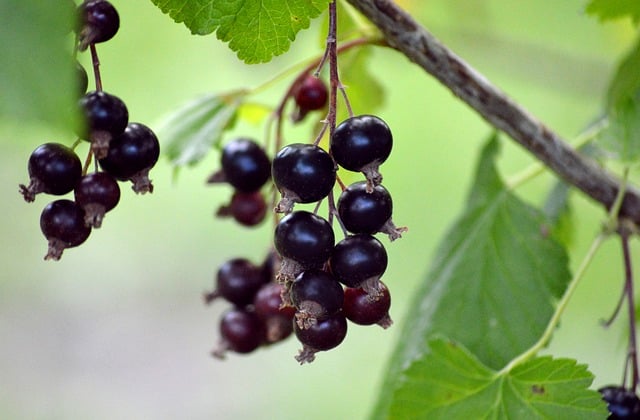
Blackcurrant, rich in vitamin C and flavonoids, and cortisone-like, is known for its anti-allergy properties. It works by reducing inflammation and modulating the immune response, which can help ease allergy symptoms like sneezing, congestion and itching. You can take it as blackcurrant buds (gemmotherapy).
- Nigella
Also known as black cumin, nigella is recognised for its anti-inflammatory and antihistamine properties. Its seeds contain active compounds that can help reduce allergic reactions by soothing inflammation and modulating the immune response. Taken as an oil or in capsules, nigella can be a valuable supplement for easing allergy symptoms and supporting general wellbeing.
Of course, you don’t need to use all the plants mentioned. The main thing is to choose the ones that seem most suited to you. That’s why it’s recommended to see a naturopath.
The environment
The environment we live in can play a significant role in how common and how severe allergies are. Purifying and cleaning up our indoor environment can help reduce exposure to allergens and ease allergic reactions.
- Identifying household allergens: dust mites, mould, pollen…. And using suitable tools and equipment, depending on the issue (an anti-dust-mite cover, for example).
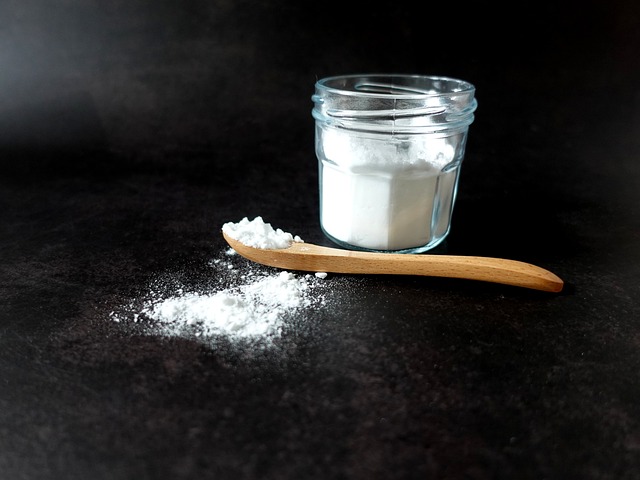
- Regular cleaning: vacuuming, dusting and regularly cleaning the surfaces in the home can reduce the build-up of dust, mould and other allergens. But without using harsh or synthetic products, rather natural ones (vinegar, bicarbonate of soda, etc.).
Other things to try
It’s always worth repeating: managing your stress and looking after your sleep are key for good immunity, and in preventing allergies (rather than for relieving them).
The Bye-Bye Allergy method, or JMV Method, are alternative approaches that aim to clear intolerances and allergies by restoring the body’s energy balance through energetic desensitisation techniques. Do feel free to get in touch, I’ve trained in the JMV method and I can answer any questions you may have.
The lota, a nasal hygiene practice from India (similar to our typical nose rinse), involves irrigating the nasal passages with salt water to clean and clear the airways, and is helpful in preventing seasonal allergies with a runny nose and sneezing.
FAQ
Can you prevent seasonal allergies naturally?
Naturopathy focuses on prevention first, acting on the underlying imbalances rather than just the symptoms. Since nearly 80% of our immune defences sit in the gut, supporting a healthy gut barrier and balanced flora is central, along with an anti-inflammatory diet, good sleep and stress management. It’s no substitute for medical treatment.
Which foods help with allergies?
Fresh fruit and vegetables rich in antioxidants and quercetin (garlic, onion, yellow peppers, broccoli, capers), omega-3s (oily fish, linseeds) and probiotic fermented foods (sauerkraut, miso). It’s best to limit inflammatory foods that can increase gut permeability, such as gluten and dairy.
Which plants help relieve allergy symptoms?
Plantain, nettle, blackcurrant (as buds, in gemmotherapy) and nigella (black cumin) all have anti-inflammatory and antihistamine properties and are traditionally used for seasonal allergies. You don’t need to use them all, so it’s worth seeing a naturopath to choose what suits you.
What else helps with allergies at home?
Reducing indoor allergens by identifying them (dust mites, mould, pollen) and cleaning regularly with natural products like vinegar and bicarbonate of soda. A saltwater nasal rinse (the lota) can help clear the airways, and managing stress and sleep supports your immunity.

I’m Céline Jablonski, a certified naturopath in Paris and online, a member of the Syndicat des Professionnels de la Naturopathie and a trainer at a naturopathy school. I help people find their physical and emotional balance again through naturopathic approaches (nutrition, physical activity, stress management, the use of plants and so on).
Through this blog I share, in a down-to-earth way, the knowledge and experience I find useful, so you can feel better.
This advice is no substitute for seeing your own healthcare professional, and shouldn’t stop you doing so.