
For years, the nutrition conversation was dominated by the hunt for fat, the fear of fat: 0% products, low-fat foods, fear of fat.
We’ve moved on from that (at last, I hope). We now know the real problem wasn’t there, but rather on the side of hidden sugars and ultra-processed foods.
The vocabulary has changed, but the risk is the same.
Now everything is “healthy” (okay, I’m exaggerating a bit): snacks, drinks, breakfasts (some breakfast cereals with a Nutri-Score A  ), almost every supermarket aisle is affected.
Eating healthy has become a trend… whose intention is good, but….
Healthy doesn’t necessarily mean balanced, suitable or even beneficial for the body.
You can eat perfectly “clean” on paper and yet lack energy, digest badly or create imbalances.
In this article, I’d like to unpack 4 common mistakes in healthy eating (not to say “traps”).
Mistakes in healthy eating: the key points:
-
Healthy doesn’t mean balanced.
-
Organic doesn’t protect you from ultra-processed food.
-
Eating healthy but too little or unbalanced isn’t good for the body.
-
Snacking on healthy things all day is still grazing.
-
What matters is what the body digests and absorbs.
The first common mistake: the “healthy food” label
Here’s a first common mistake in healthy eating: this label, all the marketing behind it, and ultra-processed food (sometimes including organic).
The word healthy is pretty much everywhere. On packaging, on the shelves, on social media. And yet it rests on no clear nutritional definition.
A product can call itself healthy while being heavily processed.
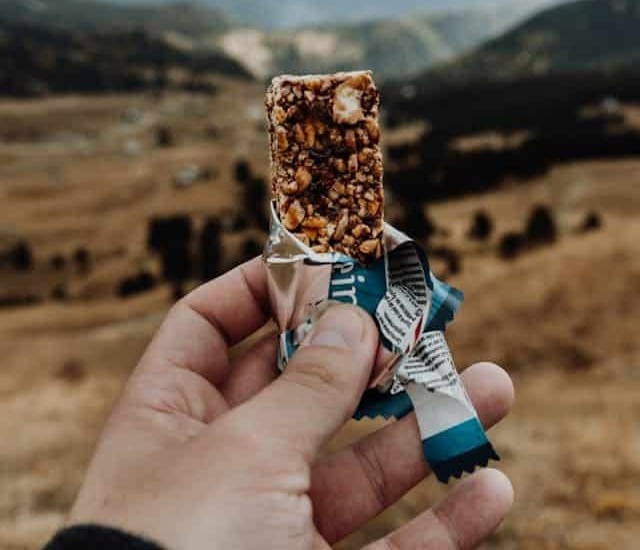
“Energy” bars, organic biscuits, gluten-free bread (with an endless ingredient list), flavoured plant milks, veggie burgers or protein snacks: many of these products present a healthy image, when they contain (ultra-)refined ingredients, concentrated sugars, processed oils, additives or flavourings.
The organic label often adds extra confusion. Organic means the ingredients meet a farming specification. It says nothing about the degree of processing, or the final nutritional balance of the product! (of course I’m not against organic).
The problem isn’t eating these products occasionally, but making them a daily staple, thinking you’re doing the right thing. Their low satiating power, their industrial structure and their impact on blood sugar often keep up tiredness and cravings.
A simple rule to see more clearly:
the more a product needs to justify itself on its packaging, the more ingredients it has, the less likely it is to be genuinely healthy day to day.
Eating healthy… but completely unbalanced
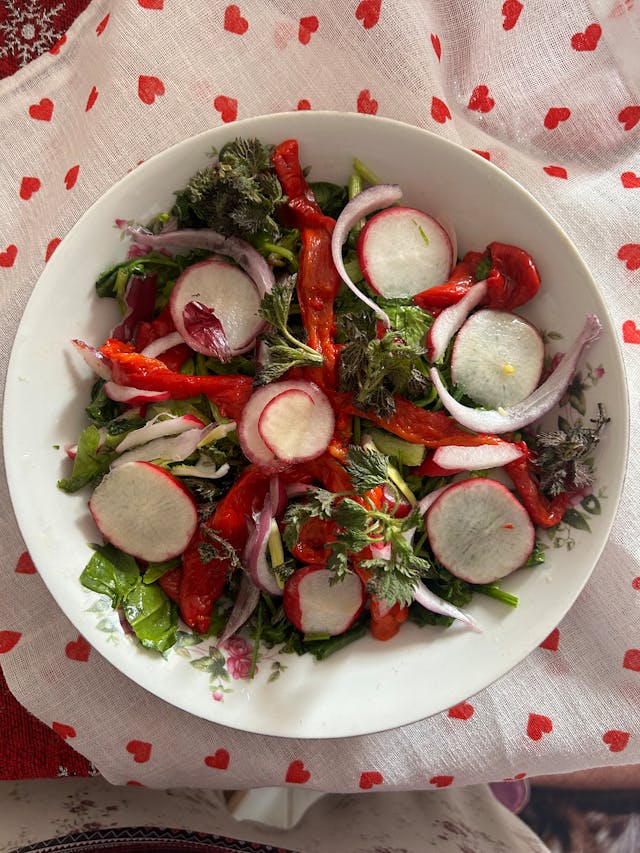
Another common trap: equating healthy eating with “vegetables” or light, even minimal eating. In other words, the ingredients are healthy, but the meal isn’t, because it isn’t balanced.
Plates made up almost only of vegetables, giant salads, green juices, very low-calorie dishes: on paper, it all looks faultless, but not if you look at the whole picture, if that’s all you eat. In the body, this can translate into chronic tiredness, feeling cold, cravings, muscle loss or hormonal disruption.
The body needs substance to work:
- proteins for the tissues and muscle mass, and plenty of other things,
- fats for the hormones and the nervous system, and so on
- suitable carbohydrates to support daily energy.
Eating clean doesn’t mean eating less, or always eating light.
A diet that’s too restrictive, even “healthy”, puts the body into saving mode, slows the metabolism and often creates fertile ground for compulsions, and for hypothyroidism.
Healthy snacks and drinks all day long
Healthy-style grazing has become fairly common.
A handful of nuts… maybe times three a day, an organic bar, a smoothie, a plant-milk latte, energy balls (recently, I saw a client eating an energy ball for breakfast (this isn’t a criticism; it’s down to misinformation).
These foods can have their place, of course, but not any time, any how, if it’s every day. The problem appears when they’re eaten regularly.
Even healthy, grazing stops the body from getting real periods of digestive rest. Blood sugar is called on constantly, and so is insulin, which encourages tiredness, dips in concentration and sugar cravings. Energy balls (better home-made), great, but for exercise (at any rate not at breakfast, when the body mainly needs protein and not sugar).
It’s the same with certain drinks, they can be part of the grazing. We’re wary of, or careful with, fizzy drinks, but we tell ourselves, go on then, fine for:
- a smoothie: in the end, a concentrate of sugars if made only from fruit,
- a golden latte or another latte: even if the plant drink has no added sugar, the glycaemic index will be high if it’s oat or rice (better: almond).
A balanced diet rests above all on structured, sufficiently nourishing meals. Snacks should stay occasional (yes, an afternoon snack is allowed in many cases), and not become the foundation of the diet.

Eating balanced and healthy… but not digesting
Last but not least, the final trap (well, it was a non-exhaustive list), often underestimated: eating perfectly on paper, but digesting badly.
I can see in consultation clients who are “model” in terms of diet (I can even wonder: what am I going to be able to bring them?), but who still have problems (various ones: digestive, inflammatory…). Digestion can be at play here. The diet seems great, but is it chewed well? Eaten without stress? Well digested, well absorbed? Individualised = is this really what this person needs, for the terrain they’re in right now?
Against the common mistakes of “healthy” eating: conclusion
Healthy eating is neither a performance, nor a list of allowed or forbidden foods.
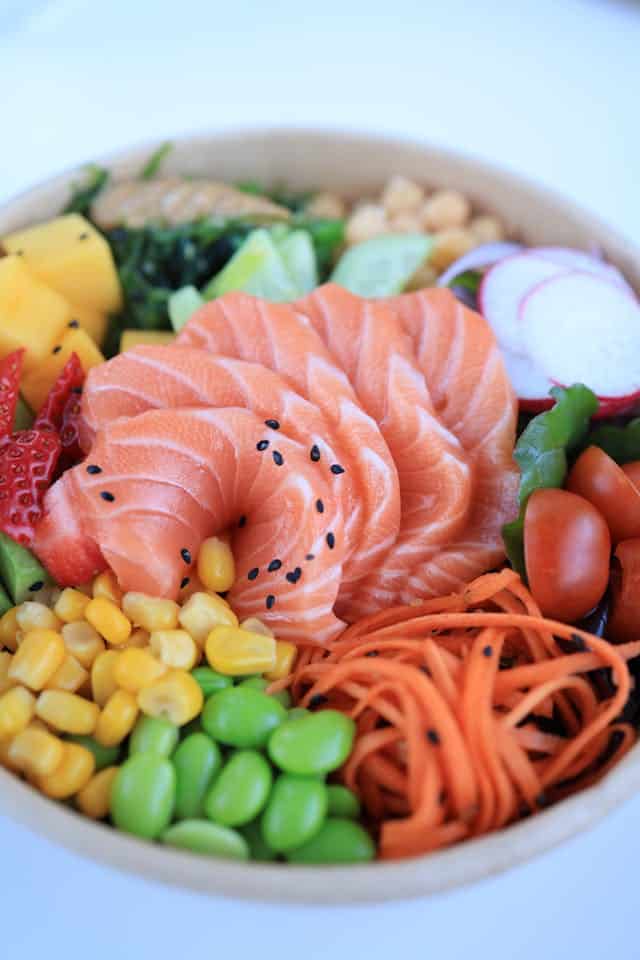
The real stake is balance: nourishing meals based on the least processed foods possible, digested, eaten at a sensible pace, and individualised.
No excess. No force-feeding…. And no frustration either  .
FAQ
Is a "healthy" food necessarily good for you?
No, a healthy food isn’t necessarily… healthy / good for you. The term “healthy” isn’t regulated. A product can seem healthy thanks to its marketing, while being ultra-processed and/or high in additives or refined ingredients.
Is organic always better for you?
Can you eat healthy and still be tired?
Are healthy snacks better than the others?

I’m Céline Jablonski, a certified naturopath in Paris and online, a member of the Syndicat des Professionnels de la Naturopathie, and a trainer at a naturopathy school. I help people regain physical and emotional balance through naturopathic techniques (nutrition, physical activity, stress management, the use of plants…).
Through this blog, I share, in an accessible way, knowledge and experiences I find useful, to help you feel better.
This advice is not a substitute for, and should not stop you from, consulting your healthcare professional.