
The festive season is coming. And with it, the “nice little party dishes” (= generally heavy and in large quantities, you’ll have gathered)… and the accompaniment, that is, alcohol.
Depending on what you drink, and how much, I can’t promise you won’t get a hangover, even following the tips below, but in any case, these few hangover remedies should help reduce the discomfort: headaches, nausea, heavy tiredness…
After looking at the causes, we’ll see how best to act preventively (a few days before), during the evening, and what to do the next day, with natural tips ranging from nutrition to supporting the liver.
But first of all, why does alcohol have this effect on our body?
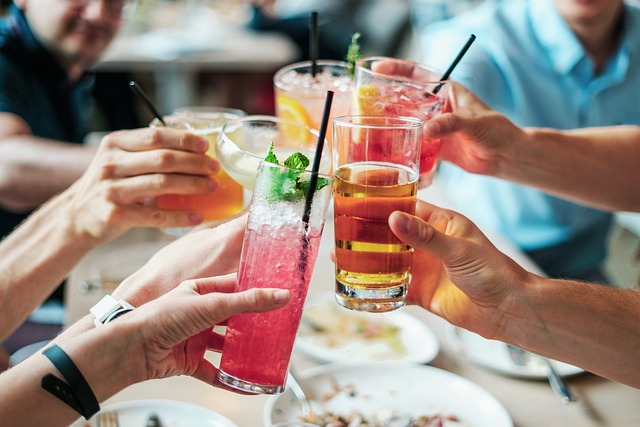
Before the remedies, what causes a hangover?
- Alcohol acts as a diuretic (it inhibits the anti-diuretic hormone, ADH), leading to significant dehydration. This causes a loss of essential electrolytes (minerals), contributing to headaches and fatigue.
- When the liver metabolises alcohol, it produces toxic by-products. These cause inflammation and oxidative stress, also leading to nausea and digestive discomfort.
- Alcohol disrupts the sleep cycle, especially in terms of quality. Insufficient rest can make the next day’s tiredness worse.
That said, everyone reacts differently to alcohol depending on various factors such as metabolism, individual tolerance, level of vitality, what you eat alongside it, body size, medication taken…
A few hangover remedies: prevention
Preventing a hangover therefore starts before you toast.
Supporting your liver in advance
The liver is the organ to pamper. The liver has over 500 functions in the body, among them the elimination of many toxins (including those in alcohol).
But careful, I’m not talking about a detox (we often hear about detoxing after the festivities), neither before nor after. At least, not a real detox, because that’s only done when you’re in good shape, and generally not in winter. But supporting your liver in advance is part of prevention! And we’ll pay attention to it again the day after the party.
What can we do to prepare it?
As far in advance as you can, but even 2 days before is worth it too:
- avoid sugar (watch out for hidden sugars), alcohol (yes…) and chocolate,
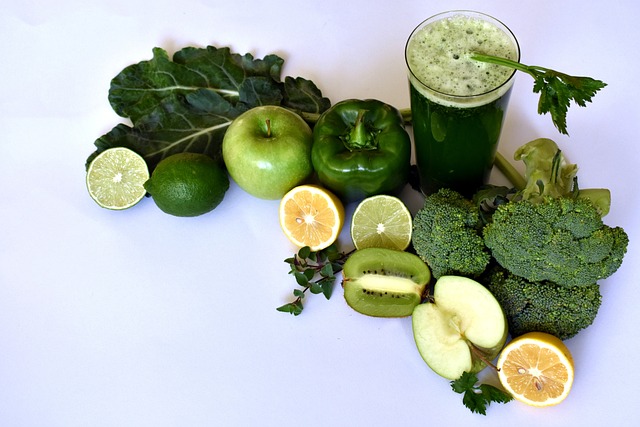
- eat brassicas, including broccoli, raw or gently steamed. They contain glucosinolates, which give rise to sulforaphane, a molecule that can stimulate the production of the liver’s detoxification enzymes.
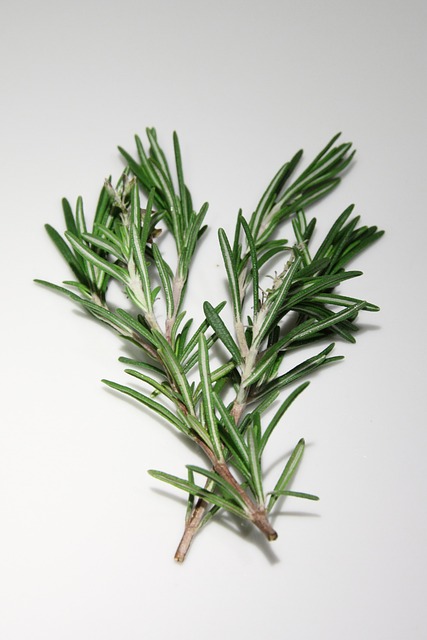
- drink a cup or two of rosemary tea in the morning (instead of coffee, or at least one or two coffees, as it has a boosting effect).
Drinking alcohol eats into our store of antioxidants. Now, the liver needs them too, as well as B vitamins. For antioxidants, go for colourful fruit and vegetables: brassicas (kale, broccoli), spinach, carrots, berries (bilberries typically)…
During the meal or the party
Eat before drinking alcohol
Your blood alcohol level rises much more on an empty stomach, or in other words: food delays the absorption of alcohol into the blood, and so reduces its toxic effects. So it’s strongly advised to eat before drinking, this is a simple hangover “remedy”. Foods rich in fibre, good fats, or protein can slow the absorption of alcohol.
Either you’ll find them at the aperitif (especially if it’s a delicious, healthy spread)… but just in case, it’s better either to have some at home beforehand, or to take some “to go”. Hydrating and remineralising foods are also good choices, as alcohol dehydrates and demineralises.
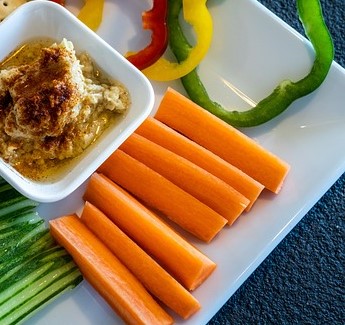
For example: a piece of fruit with nuts or seeds (unsalted, ideally!), or fruit and a yoghurt, or raw vegetable sticks with smoked salmon…
Water against dehydration
As we’ve seen, alcohol dehydrates, it’s a diuretic. It literally dries you out. So it’s important to drink enough water. We generally advise at least a glass of water between each alcoholic drink, dehydration being one of the main causes of headaches.
The day after the boozy day or evening
After a night of celebrating, the first step towards recovery is enough hydration and a gentle detoxification. Simple but crucial measures can ease the unpleasant symptoms and restore the body’s balance.
What to drink the next day?
- Depending on how much alcohol you drank, and whether you followed the tips below, you’ll be more or less dehydrated. Drinking water regularly (2 to 3 litres over the day) helps restore the fluid balance and flush out the toxins.
- You can bring in drinks rich in electrolytes, to not only rehydrate but also restore the mineral balance the body needs to work well. Take your pick:
- coconut water,
- Quinton water (also called marine plasma), if you have it,
- miso soup,
- vegetable broth.
And what to eat?
- Clearly… depending on what you ate the night before… you can make do with miso and broth, or otherwise light, easy-to-digest meals, but rich in essential nutrients. Vegetables, lean protein and a little fruit can provide the energy you need without overloading your digestive system.
- Do bring in the foods known for their ability to support detoxification. We saw brassicas above, but also turmeric, beetroot and apple.
- On the other hand, avoid heavy, too-sugary or too-fatty meals, at least the next day, or even for a few days. Also watch out for acidic foods, especially if you have acid reflux and/or a sore stomach (a few tips from the article on hiatal hernia could also help you in that case).
For nausea
Ginger is your friend here: 3 grams (max per day) of fresh rhizome cut into slices, in 750ml of cold water brought to the boil for 5 minutes. You can combine it with chamomile and/or mint to strengthen this effect.
Other things to do the day after the festivities
You can also support the liver’s action by massaging it with lemon essential oil diluted in a little vegetable oil, and applying a hot water bottle.
Finally, going out for some fresh air on a walk, in nature if possible, will help too.
Conclusion
So you can minimise the risk of a hangover with these few hangover remedies. Moderation stays the key 😊. On that note, I wish you a lovely festive season!
Additional sources to those already cited:
https://www.niaaa.nih.gov/sites/default/files/publications/Hangovers_French.pdf
Moderate alcohol consumption stimulates food intake and food reward of savoury foods – PubMed
FAQ
What causes a hangover?
Mainly three things: alcohol acts as a diuretic, so it dehydrates you and depletes electrolytes (headaches, fatigue); the liver produces toxic by-products as it breaks alcohol down, causing inflammation and nausea; and alcohol disrupts sleep quality, which worsens the next day’s tiredness. Everyone reacts differently depending on metabolism, tolerance, body size and what they ate.
How can you prevent a hangover?
Support your liver in the days before (brassicas like broccoli, rosemary tea, plenty of colourful antioxidant-rich fruit and veg, and easing off sugar and alcohol). On the night, eat before you drink, as food rich in fibre, good fats or protein slows alcohol absorption, and have at least a glass of water between each drink.
What should you eat and drink the day after?
Rehydrate with 2 to 3 litres of water and electrolyte-rich drinks like coconut water, miso soup or vegetable broth. Eat light, nutrient-rich meals (vegetables, lean protein, a little fruit, detox-supporting foods like turmeric, beetroot and apple), and avoid heavy, sugary, fatty or acidic foods. Ginger tea helps with nausea.
Is a post-festivities detox a good idea?
Not really, at least not a true detox: that’s only done when you’re in good shape, and generally not in winter. It’s better to support your liver gently before and after, with the right foods, hydration and rest, rather than attempting a harsh detox.

I’m Céline Jablonski, a certified naturopath in Paris and online, a member of the Syndicat des Professionnels de la Naturopathie and a trainer at a naturopathy school. I help people find their physical and emotional balance again through naturopathic approaches (nutrition, physical activity, stress management, the use of plants and so on).
Through this blog I share, in a down-to-earth way, the knowledge and experience I find useful, so you can feel better.
This advice is no substitute for seeing your own healthcare professional, and shouldn’t stop you doing so.